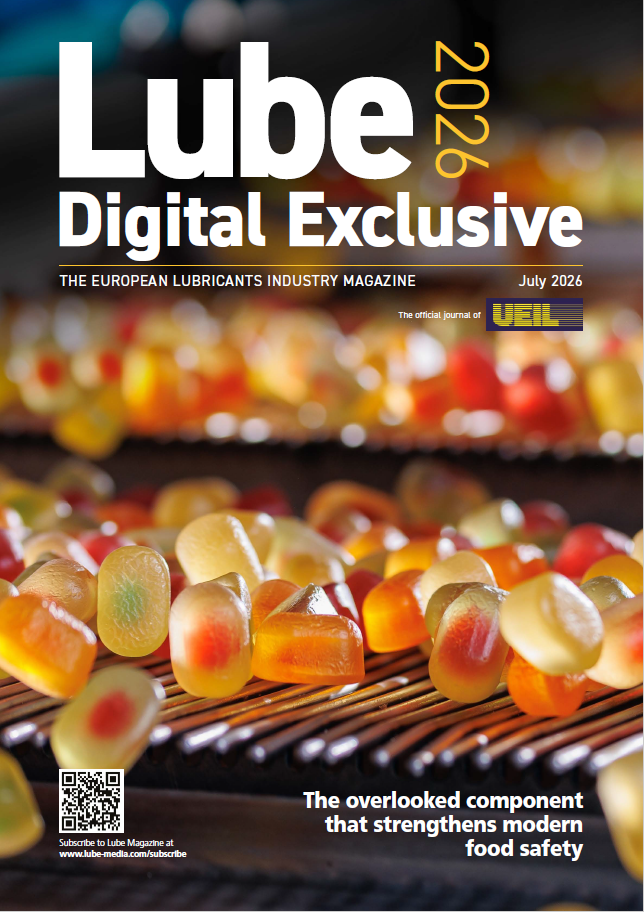
Food-grade lubricants are a critical yet often overlooked element of modern food safety systems. While early formulations were limited in performance and used sparingly, today’s advanced products can match or exceed conventional lubricants while meeting stringent safety requirements. This shift allows manufacturers to adopt a more holistic approach, reducing contamination risk across production environments.
In this article, Sam Cole, Global Director of Food Contact Evaluation at NSF, and Perry Peters, Joint Chairman of ELGI Food Grade Lubricants Group and CEO of Matrix Specialty Lubricants, explore the evolving regulatory landscape in Europe and the UK, where food-grade lubricants fall under broader food safety frameworks supported by certifications such as NSF H1 and ISO 21469. It also highlights increasing scrutiny of hazardous substances, including PFAS and MOAH, and the introduction of new certification standards to support compliance and transparency.