As a proud media partner, we are pleased to share this exclusive post-show review from the team at Lubricant Expo Europe 2026. Following a record-breaking event in Düsseldorf that brought together the global industry community, this reflection dives into the three defining themes shaping the future of lubricants, from the coexistence of EVs and ICEs to tightening sustainability regulations and the sector’s evolution into a broader specialty-chemicals powerhouse.
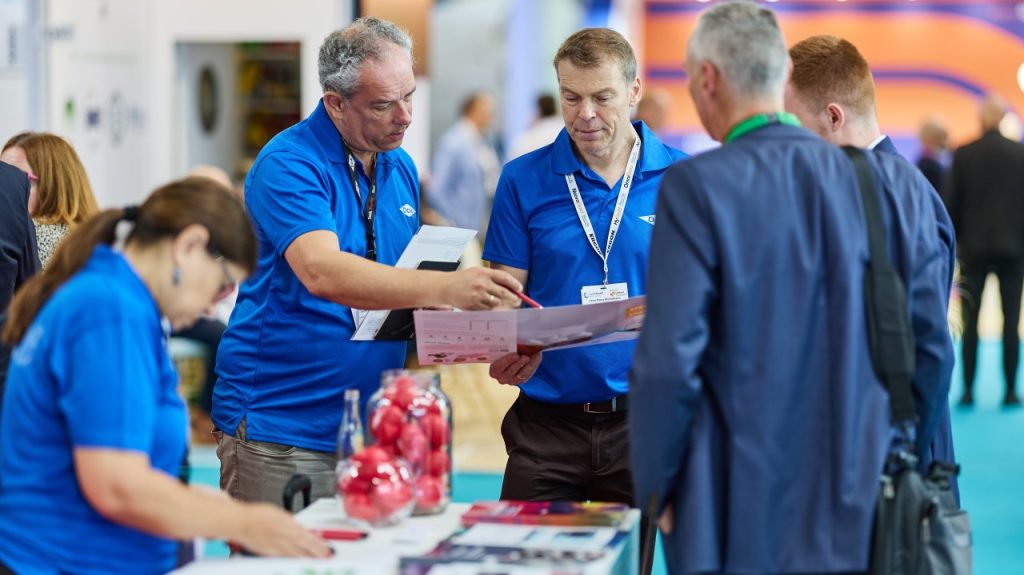
Record exhibitor numbers. Record attendee numbers. Three days of conversations, ideas, innovation and networking.
Lubricant Expo Europe 2026 exceeded expectations, and we would like to thank everyone who joined us in Düsseldorf. From exhibitors and speakers to attendees, partners and the wider industry community, it was fantastic to see so many people coming together to discuss the opportunities and challenges shaping the lubricants industry.
Since the show, we have enjoyed reading the highlights, thoughts and observations shared by the community. Across the conversations taking place on the show floor, in the conference, at networking events and beyond, one question came up time and again:
What will shape the lubricants industry next?
There is, of course, no single answer. But several themes emerged consistently throughout the three days.
1. The EV conversation is becoming a conversation about coexistence
The discussion around electrification is evolving.
Rather than a simple transition from internal combustion engines to electric vehicles, the industry is increasingly preparing for a longer period of coexistence between ICE, hybrid and EV technologies.
For lubricant manufacturers and suppliers, this means continued demand for conventional engine oils alongside increasingly specialised fluids designed for hybrids and electric vehicles.
The changing vehicle parc is therefore not simply reducing the role of lubricants — it is changing the requirements placed on them.
Thermal management is one example. As battery technology, electrification and high-performance electronics develop, demand is growing for specialised fluids capable of managing heat across increasingly complex systems.
This was reflected in conversations at the show, with Leitat Technological Center highlighting discussions around thermal management for hydrogen and battery systems, alongside sustainable lubricant formulations and circular approaches.
2. Sustainability is becoming increasingly driven by regulation, technology and economics
Sustainability remains a major focus for the industry, but the conversation is becoming more practical.
Regulation and commercial considerations are increasingly influencing formulation decisions and product portfolios. REACH, PFAS, CLP, re-refined base oils, circularity and bio-based materials are all contributing to a more complex environment for manufacturers and suppliers.
The conversations at Lubricant Expo Europe demonstrated that sustainability is no longer simply a question of communicating environmental credentials. It is increasingly connected to product development, compliance, supply chains and long-term commercial strategy.
Green Oleo s.p.a., for example, returned from Düsseldorf highlighting the relevance of its sustainable innovation and the strong interest in its GreenFad® range, describing the show as an opportunity to build new connections and turn discussions into future projects.
3. Lubricants are becoming a broader speciality-chemicals and technology sector
Perhaps one of the clearest takeaways from Düsseldorf was just how broad the industry has become.
The conversation increasingly extends beyond the traditional model of base oil, additive, formulation and finished lubricant. Additives, esters, oleochemicals, metalworking fluids, greases, testing and validation, thermal fluids and specialist applications are all becoming increasingly important parts of the wider ecosystem.
That creates new opportunities – but also new requirements.
Customers are looking not only for products, but for technical expertise, testing, approvals, regulatory knowledge, application support and the ability to solve increasingly specific engineering challenges.
The breadth of the conference programme at Lubricant Expo Europe reflected this evolution, with discussions spanning defence, power generation, stationary gas engines, electric drivetrain tribology, thermal management and emerging applications such as humanoid robots.
As Leitat Technological Center’s participation demonstrated, the boundaries between lubrication, tribology, engineering, testing and applied R&D are becoming increasingly interconnected.
What does this mean for the industry?
If there was one overarching takeaway from Düsseldorf, it is that “lubricants” is becoming a much broader industrial-technology sector.
The industry is responding to multiple forms of disruption at once: electrification, regulation, changing supply chains, sustainability requirements, new technologies and emerging applications.
The businesses best placed to respond will need to combine technical expertise with a strong understanding of their customers, markets and regulatory environment.
And perhaps most importantly, the conversations at Lubricant Expo Europe showed that the industry is actively working through these changes together.
PETROFER described having “hundreds of high-value discussions” with partners, customers and industry pioneers during the show, while Yunus Emre YETİK, Sales & Marketing Manager at HOMMAK As, highlighted the “great energy on the floor” and the quality of conversations.
Bernard Fisic of Setral Chemie GmbH – Sétral S.à.r.l.summed up the collaborative nature of the event particularly well, thanking our team for creating “a great event that brings the entire industry together.”
That sense of collaboration is important because the next phase of the lubricants industry will not be shaped by one technology, one market or one part of the value chain.
It will be shaped by the conversations happening between them.
And the market is continuing to evolve
That evolution was also evident in discussions around the changing additives landscape.
At Lubricant Expo Europe, Trevor Gauntlett moderated a session examining the growth of independent additive package suppliers and “meet the requirements” products.
His observations around the emergence of new suppliers and the changing relationships between established industry players and newer entrants provide another example of how the market continues to evolve.
That is the question we will continue exploring with the lubricants community as we look towards 2027.
From electrification and thermal management to sustainability, specialty chemistry and changing market structures, the direction of travel is clear: the lubricants industry is becoming more diverse, more technically specialised and increasingly connected to wider industrial trends.
And the conversation is only just beginning.
So, what will shape the industry next?
That is the question we will continue exploring with the lubricants community as we look towards 2027.